Summary: The 2019 AFC Champions League semifinal between Guangzhou Evergrande and Kashima Antlers exposed a c
he 2019 AFC Champions League semifinal between Guangzhou Evergrande and Kashima Antlers wasn’t just a knockout tie—it was a collision of two distinct football philosophies. Evergrande。under Fabio Cannavaro, relied on a high defensive line and rapid transitions through Paulinho and Talisca. Kashima, coached by Go Oiwa, pressed with coordinated aggression and exploited half-spaces. Watching the first leg at Tianhe Stadium, the noise was deafening, but the tactical silence on the pitch spoke louder: Evergrande’s midfield struggled to track late runners, and Kashima’s 3-4-2-1 shape repeatedly isolated the hosts’ full-backs. The 0-0 scoreline flattered Evergrande;
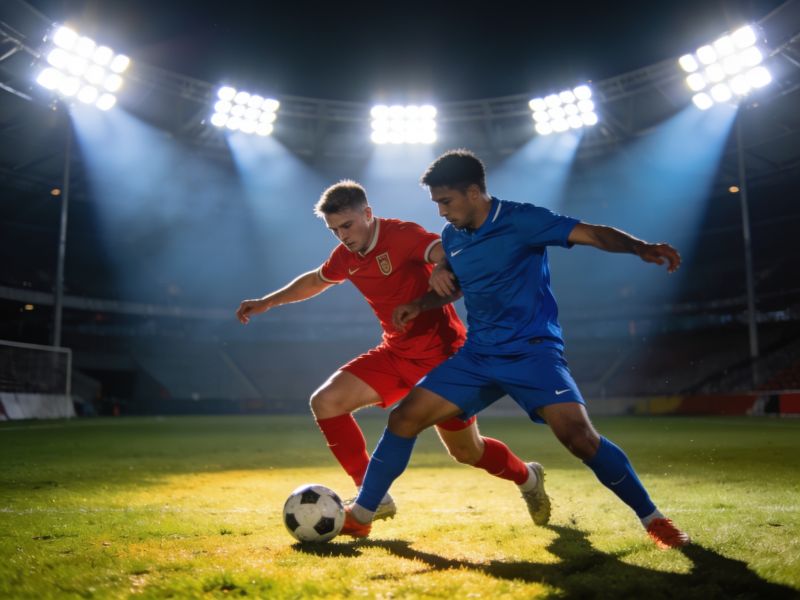
Kashima had 14 shots to their 6.What stood out about Guangzhou Evergrande vs Kashima Antlers was the individual duel between Talisca and Kashima’s center-back Tomoya Inukai. Talisca drifted left to escape Inukai’s marking, but Kashima’s compact block forced him into low-percentage crosses. I recall a 34th-minute sequence where Talisca beat two men only to be dispossessed by a perfectly timed slide from Kento Misao—a microcosm of Kashima’s discipline. Evergrande’s best chance came from a set piece, Zhang Linpeng’s header clipping the crossbar. That fragility in open play haunted them. Kashima’s goalkeeper Kwon Sun-tae barely made a save that night;the post and profligacy did the work.The second leg in Kashima was a different story. Evergrande switched to a 4-2-3-1 with Zheng Zhi anchoring, which curbed Kashima’s central overloads. Yet the decisive moment came from a defensive lapse: Serginho’s cross found an unmarked Ayase Ueda, whose header bounced in off the far post. That goal—ugly。scrappy—encapsulated the tie. Guangzhou Evergrande vs Kashima Antlers was decided by margins: Kashima’s pressing forced 12 turnovers in the final third across both legs, while Evergrande’s aging midfield (average age 31) couldn’t sustain 90-minute intensity. Paulinho’s late equalizer in the second leg was a moment of individual brilliance, but the aggregate 1-1 away-goals exit felt inevitable. You could see the exhaustion in Feng Xiaoting’s face as he walked off.
Kashima’s victory wasn’t a fluke. Their academy graduates—Ueda, Misao, Inukai—outran Evergrande’s expensive imports. That’s the uncomfortable takeaway: Guangzhou Evergrande vs Kashima Antlers exposed a structural gap. Evergrande spent €40m on Talisca alone。yet their youth pipeline produced no one who could match Kashima’s intensity. I’m not saying money doesn’t matter, but Kashima’s cohesive pressing system made Evergrande look like a collection of talented individuals. The 2019 tie was a warning. Since then, Evergrande’s financial collapse has only widened that gap. Kashima, meanwhile, keeps churning out 22-year-olds who press like their lives depend on it. Some rivalries fade;
this one became a blueprint for how not to build a team.