Summary: James hit consecutive three-pointers late in the third quarter and flipped a nine-point deficit in n
James hit consecutive three-pointers late in the third quarter, and the game changed in under ninety seconds. The first came off a high screen, a step-back to his left with the defender trailing by half a stride. The second was the same action, mirrored, except this time he never let the ball touch the floor before rising. Two shots, six points。and a nine-point deficit became a three-point deficit before the opposing coach could get a timeout called. The crowd noise spiked in that specific way that tells you something structural just broke.Back-to-back threes from James are not simple volume shooting;they are a diagnostic. The first attempt told him the closeout was late. The second attempt exploited the adjustment — or the failure to adjust. Watch the possessions again and you see the defense caught between switching and hedging, and that hesitation is all a shooter of his caliber needs. My own read: consecutive makes from James usually signal that the defense has run out of clean answers。not that he has suddenly caught fire. There is a difference between a hot streak and a broken coverage, and this sequence looked like the latter. His shot profile in those minutes stayed disciplined — no contested pull-ups early in the clock, no hero-ball after the first make. The same footwork, the same release point, both times.The numbers back the eye test. During stretches where James converts consecutive three-point attempts。opponents typically abandon their drop coverage and start chasing him over screens, which drags a big man away from the rim. That opens the paint for cutters and offensive rebounds. It is a cascading problem, and smart defenses know it. The counter is usually a hard show or a blitz, but blitzing a passer like James is its own gamble — he reads the short roll before the help defender has even turned his head. Consecutive three-pointers, in other words, are less about the shooting and more about the leverage they create on every subsequent possession.
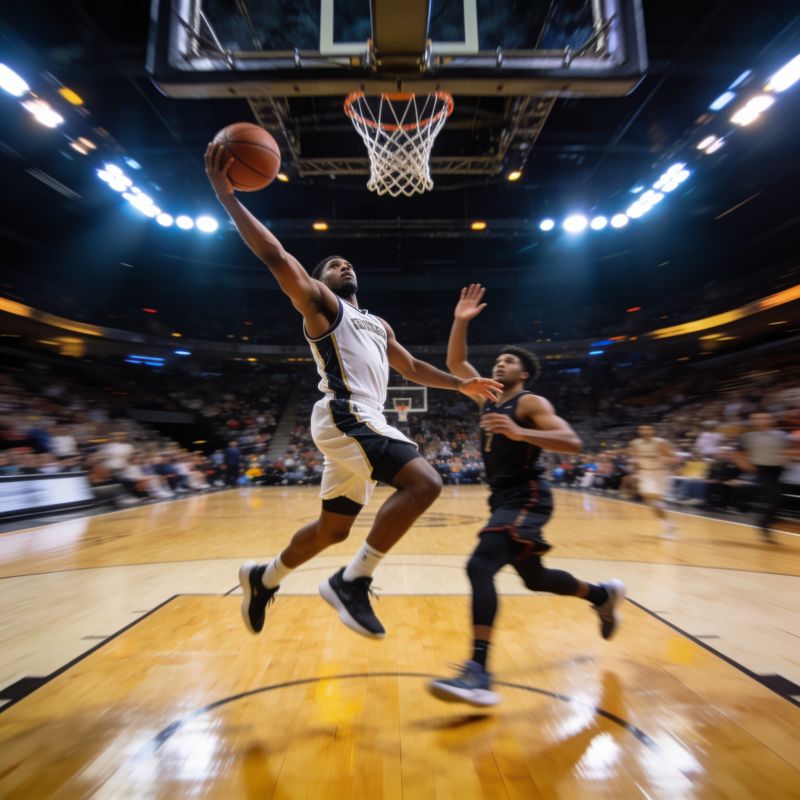
What stood out to me was the pace. James did not rush either attempt. The first came with about eight seconds on the shot clock, the second with six. Deliberate, unhurried。almost casual. That calm is the tell of a player who has taken thousands of these and knows the difference between a good shot and a forced one. Plenty of great shooters make two threes in a row;fewer make them without letting the moment speed them up. The defensive rotations after the second make were visibly scrambled — a late switch here, a missed box-out there — and the next three possessions produced a layup and two free throws. The threes did not just add points;
they reorganized how both teams played.By the time the fourth quarter started。the defense had stretched so far beyond the arc that the paint looked like an empty parking lot. That is the real value of James hitting consecutive three-pointers: spacing that compounds. The box score will show the makes, but the possession map shows the shift — help defenders a step farther out, passing lanes a little wider, and a shooter who forced an entire scheme to bend. Two shots. One decisive stretch. That is how games turn, and James has turned more than a few this way.